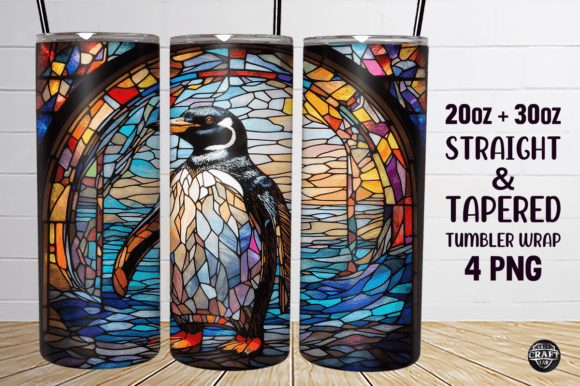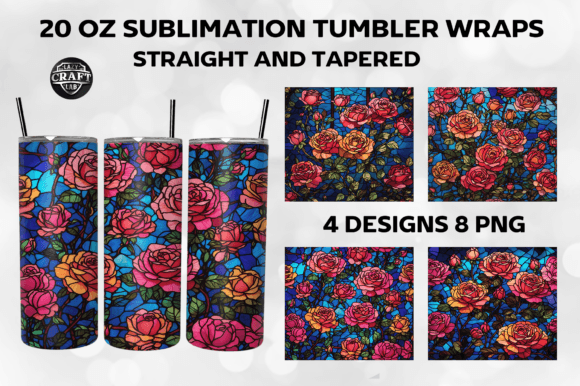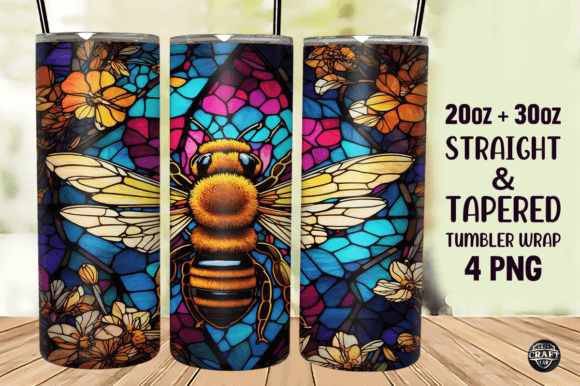
Honey Bee Stained Glass Tumbler Wrap PNG
First Impressions: A Cheerful, Light-Filled Motif That Feels Hand-Crafted
When I opened the Honey Bee Stained Glass Tumbler Wrap PNG, my immediate thought wasn’t “sublimation wrap” — it was “this would translate beautifully into embroidery.” The design features a stylized honey bee centered in a symmetrical, leaded-glass-inspired frame with jewel-toned segments — amber, deep teal, soft gold, and violet. There’s no heavy outline or clutter; instead, clean negative space between “panes” gives breathing room, and the bee’s wings have subtle texture that reads as delicate rather than fussy. It feels joyful but grounded — not cutesy, not overly literal. That balance matters when you’re stitching for real people who want charm *and* longevity.
A Real-World Test: Turning It Into a Boutique Embroidered Tote Bag
Last week, I prepped this design for a custom order: a linen-cotton tote for a local apothecary shop’s spring launch. Their branding leans into natural warmth and artisanal detail — exactly where Honey Bee Stained Glass Tumbler Wrap PNG fits. I resized it to 4.2” wide (a comfortable sweet spot for tote front panels), converted it to an embroidery file using vector tracing, then ran a test on scrap fabric with medium-weight cutaway stabilizer. The stained-glass effect held up surprisingly well in satin stitch — especially the curved wing panes — because the original PNG’s edges were crisp and intentional, not pixelated or over-smoothed. Customers responded instantly: “It looks like a tiny stained-glass window!” one said. That kind of emotional resonance is gold for handmade product storytelling.
Where It Shines (and Where It Needs Thought)
The Honey Bee Stained Glass Tumbler Wrap PNG excels on stable, medium-weight fabrics: canvas totes, cotton sweatshirts, tea towels, and pillow covers. Its symmetry makes it forgiving on slightly uneven hooping, and its central focal point means it reads clearly even at 3.5”–5”. As a machine embroidery design, it works well for embroidered patches (especially fused-on versions), baby onesies (when simplified to 3 colors), and aprons where cheerful, nature-adjacent motifs land softly.
- Great for: Custom apparel, nursery decor, holiday embroidery (think Easter or summer solstice gifting), personalized gifts, small shop merchandise, and printable mockups for Etsy listings.
- Use carefully on: Stretchy knits (the geometric lines can distort), very thin fabrics like voile (stitch density may show through), dark fabric without thread contrast testing, and curved surfaces like caps — unless you reduce the outer frame width first.
Design Integrity Meets Real-Life Wear
What sets this apart from generic bee graphics is its built-in rhythm. The repeating pane structure creates visual harmony, which translates to consistent stitch density across sections — no sudden jumps from sparse running stitch to dense fill. That predictability helps avoid puckering on finished products. I’ve seen too many “cute bee” designs collapse under dense satin stitching on wings or legs; this one avoids that trap by keeping interior detail minimal and relying on shape and color blocking instead. For commercial embroidery, that means fewer re-hoops, less thread breakage, and more reliable output across batches.
Stitching Notes You’ll Actually Use
Before committing to your next project, try these practical steps:
- Test the Honey Bee Stained Glass Tumbler Wrap PNG on scrap fabric matching your final product — especially if using textured weaves or blends.
- Check thread color contrast early: those jewel tones pop on cream or oat, but fade on navy or charcoal unless you swap to high-contrast threads (e.g., bright gold instead of pale yellow).
- Review stitch density in the outer frame — it’s likely denser than the center bee. If embroidering on lightweight baby items, consider simplifying that border to a single satin column.
- Confirm hoop size compatibility. This design fits comfortably in a 5x7 hoop, but pushing beyond 5.5” may stretch fine details.
- Inspect small corners in the “leaded” lines — they hold up well in PNG form, but always verify sharpness after digitizing.
- Run black-and-white mockups. Does the bee still read clearly? Does the frame retain definition? If yes, you’ve got strong silhouette integrity — critical for branding and recognition.
Licensing & Commercial Realities
This is a Graphics file — not a native embroidery file — so your first step is responsible digitizing. If you plan to sell finished embroidered products (like that apothecary tote), confirm the license permits commercial use *of the final stitched item*. Some PNG sellers restrict resale of digital files but allow physical goods — others require attribution or limit quantities. Always check before listing on Etsy or shipping to a boutique client. As a designer, I won’t risk my reputation — or a client’s trust — on unclear terms.
Final Thought: More Than a Bee — It’s a Mood Anchor
The Honey Bee Stained Glass Tumbler Wrap PNG doesn’t shout. It hums — quietly, warmly, with intention. That makes it unusually versatile: equally at home on a wedding guest towel, a therapist’s embroidered notebook cover, or a child’s sunhat patch. It carries handmade credibility because its structure feels considered, not algorithmic. For craft business owners, that authenticity builds buyer engagement. For embroidery designers, it’s a rare example of a sublimation-ready graphic that doesn’t lose soul in translation. Just remember: treat it like a collaborator, not a shortcut. Test, simplify where needed, honor its light-filled spirit — and let it do what it does best: make everyday objects feel like small celebrations.