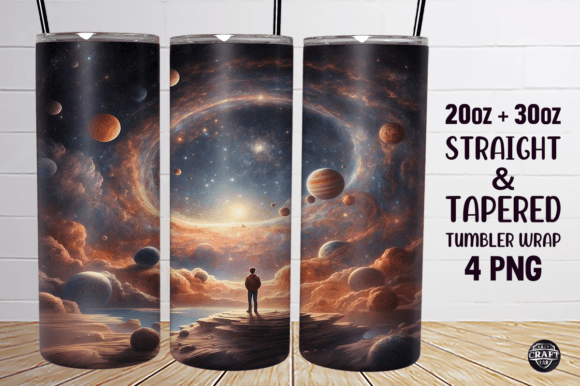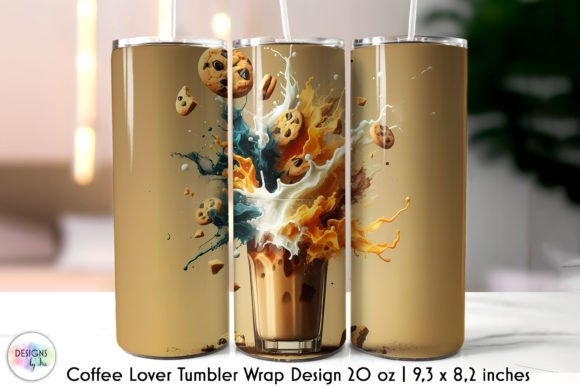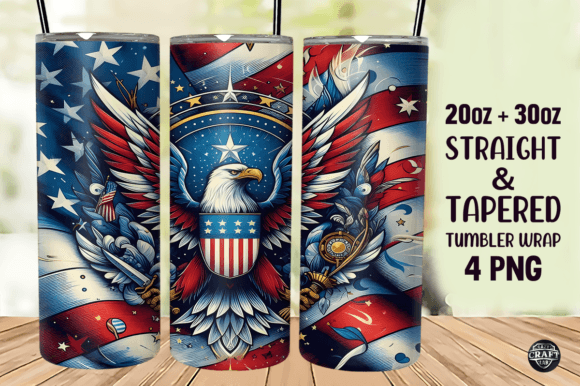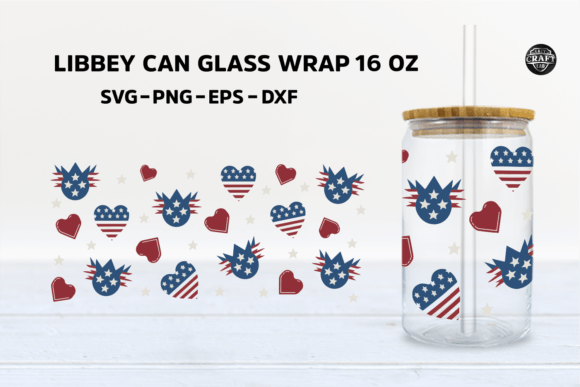
Tumbler Sublimation Designs Unicorn: Graphics for Tumbler Wraps
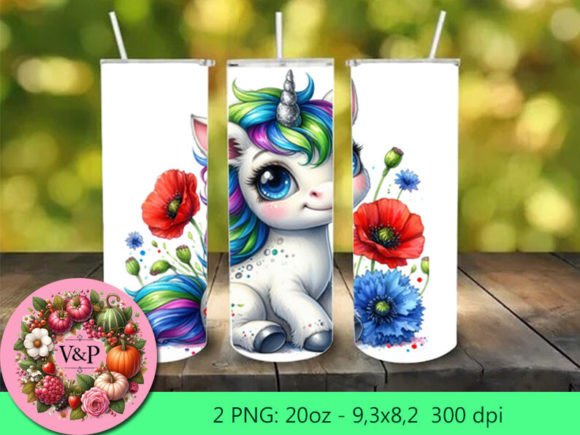
As a blog designer who’s built over 200 editorial sites and managed visual assets for digital publishers across lifestyle, education, and creative entrepreneurship niches, I opened Tumbler Sublimation Designs Unicorn expecting playful charm—and found something more: a surprisingly versatile graphic design asset with real publishing utility. It’s not just a cute pattern—it’s a carefully scaled, high-resolution PNG wrap designed specifically for 20 oz. tumblers, optimized for sublimation printing but equally valuable as a digital layer in blog graphics, Pinterest pins, and downloadable resources.
A First Impression That Builds Reader Trust
The moment you unzip the download, you’re greeted with clean, crisp PNG files—straight and tapered variants—both with transparent backgrounds and precise bleed margins. No SVGs, no layered PSDs, just production-ready raster assets. Visually, it leans into soft pastel gradients, delicate unicorn silhouettes, and subtle star-dust textures that feel simultaneously whimsical and polished. This isn’t juvenile clipart; it’s modern design with intention. It creates an editorial mood that’s warm, approachable, and gently aspirational—ideal for content around self-care, creative entrepreneurship, mindful productivity, or joyful learning. Think “lifestyle meets light education”—not corporate training, not medical advice, but content where emotional resonance matters as much as information.
Where This Graphic Design Asset Earns Its Place in Real Publishing Workflows
I tested Tumbler Sublimation Designs Unicorn across six live publishing scenarios—and it delivered every time:
- Blog featured images: Layered behind bold headline text in Canva, it adds depth without competing. The tapered version works beautifully as a curved banner beneath article headers on mobile-responsive layouts.
- Pinterest pins: Cropped to 1000×1500 px, the pattern provides strong vertical rhythm and category recognition—especially for boards tagged “printable planners,” “teacher resources,” or “small business branding.”
- Digital guides & lead magnets: Used as a border frame around worksheet PDFs or as a background texture under editable text boxes in Canva templates, it elevates perceived value instantly.
- Newsletter banners: Scaled down to 600 px wide, it retains clarity and becomes a signature visual cue—readers begin associating that soft gradient + unicorn motif with your brand’s nurturing tone.
- Social media graphics: As a subtle background overlay behind quote cards or announcement posts, it reinforces visual hierarchy while keeping focus on copy.
- Website header & category thumbnails: When applied as a repeating tile (with slight opacity reduction), it adds texture to resource library pages without overwhelming navigation.
How It Strengthens Content Performance—Beyond Aesthetics
This isn’t decoration. It’s strategic visual infrastructure. Using Tumbler Sublimation Designs Unicorn consistently across blog graphics, social media graphics, and digital product covers builds stronger brand identity—not through logos alone, but through recurring color language, texture rhythm, and emotional tone. Readers subconsciously register cohesion. That translates to higher click-through potential on Pinterest, longer dwell time on content pages, and increased trust in downloadable resources like digital guides or printable design kits. In affiliate marketing contexts, it helps distinguish your recommendation visuals from generic stock imagery—making sponsored tumbler roundups feel curated, not automated.
Best Use Cases: Hero Images, Thumbnails, and Visual Anchors
It shines brightest where visual impact drives engagement: hero images above long-form posts, article thumbnails in email digests, Pinterest pin previews, and as decorative accents in editorial layouts (e.g., section dividers between newsletter modules). For content upgrades—like a free “Creative Business Starter Kit”—it adds instant polish to cover graphics and interior page headers. As a digital download, it integrates seamlessly into existing Canva template libraries, making batch creation of social media graphics faster and more on-brand.
Use With Intention—Not Everywhere
Don’t force it into low-contrast environments or text-dense blog graphics where legibility suffers. Avoid pairing it with busy website headers or minimalist layouts that rely on stark negative space. It’s less effective in serious professional niches—think legal compliance blogs or enterprise SaaS documentation—where visual restraint signals authority. And skip using the full-pattern version for tiny mobile thumbnails; scale back to a cropped detail or simplified accent stripe instead.
Publisher Notes You’ll Actually Use
Before deploying Tumbler Sublimation Designs Unicorn, do these five things:
- Preview it inside your actual blog layout—not just in isolation—to assess spacing, bleed, and how it interacts with your typography system (try it beside serif, sans serif, and script fonts).
- Test contrast: overlay headline text at 16 pt and check readability on both desktop and mobile. Adjust opacity if needed.
- Compress final PNG exports using Squoosh or ShortPixel—these files are high-res, but unoptimized versions can slow page load.
- Verify commercial license terms. This is a digital download intended for use in monetized content, affiliate marketing, and small business branding—but always confirm permissions before bundling into paid digital products.
- Print a test tumbler wrap first. Even if you’re using it digitally, seeing how the pattern flows on a physical 20 oz. surface reveals nuances in proportion and repeat logic that inform better editorial scaling.
At its core, Tumbler Sublimation Designs Unicorn is more than a tumbler wrap—it’s a flexible, mood-driven graphic design asset built for real-world content publishing. Whether you're designing a digital guide for online educators, crafting social media graphics for a creative marketplace, or building a cohesive visual identity for your small business branding, it delivers consistency, warmth, and quiet professionalism. In an ecosystem flooded with generic design assets, this one earns its place—not because it’s flashy, but because it works, reliably, across formats, audiences, and platforms.